Betfred Shop Closures Reflect Direct Effects of Recent UK Budget Tax Changes
Willa Franke · Aug 6, 2026

Betfred Shop Closures Reflect Direct Effects of Recent UK Budget Tax Changes
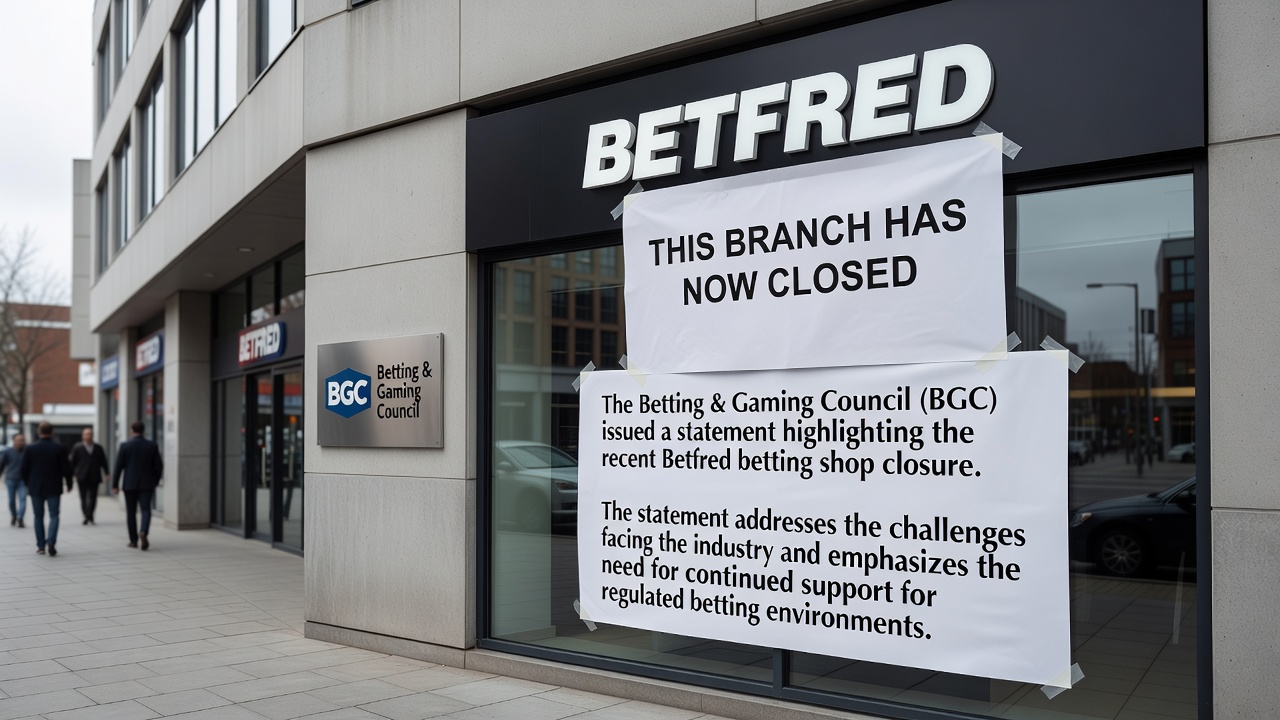
The Betting & Gaming Council released a statement that connects recent Betfred betting shop closures directly to tax increases introduced in the previous UK Budget, and the organization points out how these developments affect employment, high street spending, community resources, and support for British horseracing while shifting activity toward unregulated operators.
According to the council the closures represent measurable outcomes of higher tax burdens placed on the regulated sector, and the group has repeated earlier cautions that such measures reduce viability for licensed businesses without addressing underlying demand for betting services.
Details from the BGC Statement
The council described the Betfred closures as concrete evidence of how elevated taxes alter operating conditions for physical betting locations, and it noted that reduced shop numbers limit local investment while removing steady employment opportunities in towns across the country. The statement further explains that funding streams traditionally directed toward British horseracing face pressure when regulated operators scale back activities, and it warns that customers may move toward black market platforms that operate outside tax and consumer protection frameworks.
Observers tracking the sector note the BGC has maintained a consistent position since the Budget announcements, emphasizing that tax structures influence decisions on shop viability and staffing levels. The organization presents the Betfred case as one illustration of broader patterns where regulated firms adjust footprints in response to cost changes.
Employment and Community Connections
Betting shops have long served as employers in high street locations, and the closures reduce these positions while decreasing footfall that supports nearby retailers and services. Data from industry reports indicate that each location typically sustains several full-time and part-time roles, along with contributions to local business rates and supplier contracts, so reductions in numbers produce ripple effects through supply chains and municipal revenues.
Those who study regional economies point out that communities often rely on such commercial anchors for ancillary spending, and the loss of regulated outlets can alter the mix of available services without eliminating the underlying consumer activity. The BGC statement ties these outcomes explicitly to the tax adjustments rather than to shifts in customer preferences or technological changes.
Funding for Horseracing and Market Shifts
British horseracing receives substantial support through levies and sponsorship arrangements tied to regulated betting turnover, and the BGC links shop closures to potential shortfalls in these contributions. The statement explains that when physical locations close, the associated revenue streams diminish, which in turn affects prize money, breeding programs, and event scheduling that depend on steady industry support.
At the same time the council highlights an advantage that accrues to unregulated black market operators when tax and compliance costs rise for licensed firms. These offshore or illegal platforms avoid the same obligations yet continue to attract users through digital channels, and the BGC argues this dynamic undermines the level playing field that regulated taxation is intended to maintain.
Context Around August 2026 Developments
By August 2026 further adjustments in shop portfolios have continued to surface, and industry tracking shows additional sites facing review as cumulative tax effects work through annual budgets and lease negotiations. The BGC has referenced these ongoing changes as extensions of the same pressures identified in the original Budget response, with operators citing tax levels as primary drivers rather than footfall declines or digital migration alone.
Analysts examining licensing data note that physical premises represent a shrinking share of overall betting activity, yet they still provide direct community interfaces and employment that digital alternatives do not replicate in the same way. The council's position remains that tax policy choices influence the pace and scale of these transitions.
Regulatory and Industry Perspectives
Industry associations beyond the UK have examined similar tax and licensing dynamics in their own jurisdictions, and reports from bodies such as the Australian Gaming Association illustrate parallel discussions about balancing operator costs with consumer protection goals. In parallel, research compiled by the OECD tax policy division examines how excise and turnover levies affect service availability across different regulatory environments without prescribing specific national outcomes.
The BGC statement aligns with these broader conversations by focusing on measurable consequences for licensed operators and the communities they serve, while avoiding claims about overall market size or long-term behavioral shifts. The organization continues to advocate for tax settings that preserve the operational capacity of regulated businesses.
Conclusion
The BGC statement frames the Betfred closures as a direct result of tax increases from the prior Budget, and it connects these events to effects on jobs, high street activity, community ties, horseracing support, and the relative position of regulated versus unregulated operators. The council reiterates earlier warnings that such tax structures place licensed firms at a disadvantage, and it presents the current closures as evidence supporting that assessment. As developments unfold through 2026, the same factors continue to shape decisions on physical betting locations and the resources they generate for associated sectors.