Black Market Betting Explodes at Grand National: BGC Reveals £100M Illegal Stakes Amid Rising Costs and Checks
Jordan Hansen · Apr 19, 2026

Black Market Betting Explodes at Grand National: BGC Reveals £100M Illegal Stakes Amid Rising Costs and Checks
The Grand National Weekend That Shook the Betting World
Last weekend's Grand National at Aintree Festival drew massive crowds, punters flocking to the historic UK track for the highlight of teh jumps season; yet while licensed bookmakers handled their shares, the Betting and Gaming Council (BGC) reports that illegal operators siphoned off up to £100 million in stakes across the entire event. Observers note this figure captures bets placed through unregulated channels, platforms operating outside UK oversight and dodging taxes, age checks, and player safeguards that licensed firms must follow.
What's significant here is the sheer scale during one of racing's biggest spectacles, where the main Grand National race alone saw up to £40 million wagered illicitly; data from the BGC underscores how black market activity spikes around high-profile events like this April showdown at Aintree, pulling in enthusiasts tempted by potentially better odds or easier access. And as the dust settled on the tracks, industry leaders stepped forward to connect these losses not just to opportunism, but to broader pressures squeezing legitimate operators.
Take the festival's atmosphere: thousands cheering as horses thundered down the famous fences, bets flying fast and furious; but beneath the excitement, unregulated sites cashed in quietly, their apps and websites luring punters with promises of no-frills wagering. BGC's estimate, drawn from market analysis and operator reports, paints a picture of lost revenue that stings the regulated sector hard, especially when legal platforms invest heavily in compliance and responsible gambling tools.
Breaking Down the Numbers: £100M Total, £40M on the Big Race
The BGC's tally breaks out clearly: up to £100 million across the three-day Aintree Festival, with that £40 million chunk tied directly to the Grand National's Saturday centerpiece; figures like these emerge from tracking betting volumes, cross-referencing licensed take with known black market footprints, and surveying punter behavior during peak events. Researchers who've studied similar surges point out that festivals amplify the issue, since casual bettors often seek quick, low-barrier options amid the hype.
But here's the thing: this isn't isolated; past Grand Nationals have shown parallel black market upticks, although this year's estimate stands out for its precision and timing, released swiftly post-event to spotlight ongoing risks. One analyst familiar with the data notes how unregulated operators scale up server capacity and marketing just for these weekends, flooding social media with ads that evade UK ad rules while licensed firms navigate strict guidelines.
And consider the ripple: that £100 million represents stakes that could have funded track improvements, prize money boosts, or player protection initiatives; instead, it vanished into shadows, leaving licensed bookies to foot higher operational bills without the corresponding income. People who've crunched the numbers say it's a classic case of the house always winning, except here the house operates from offshore havens with zero accountability.
CEO Grainne Hurst Points to Cost Pressures and Incoming Checks
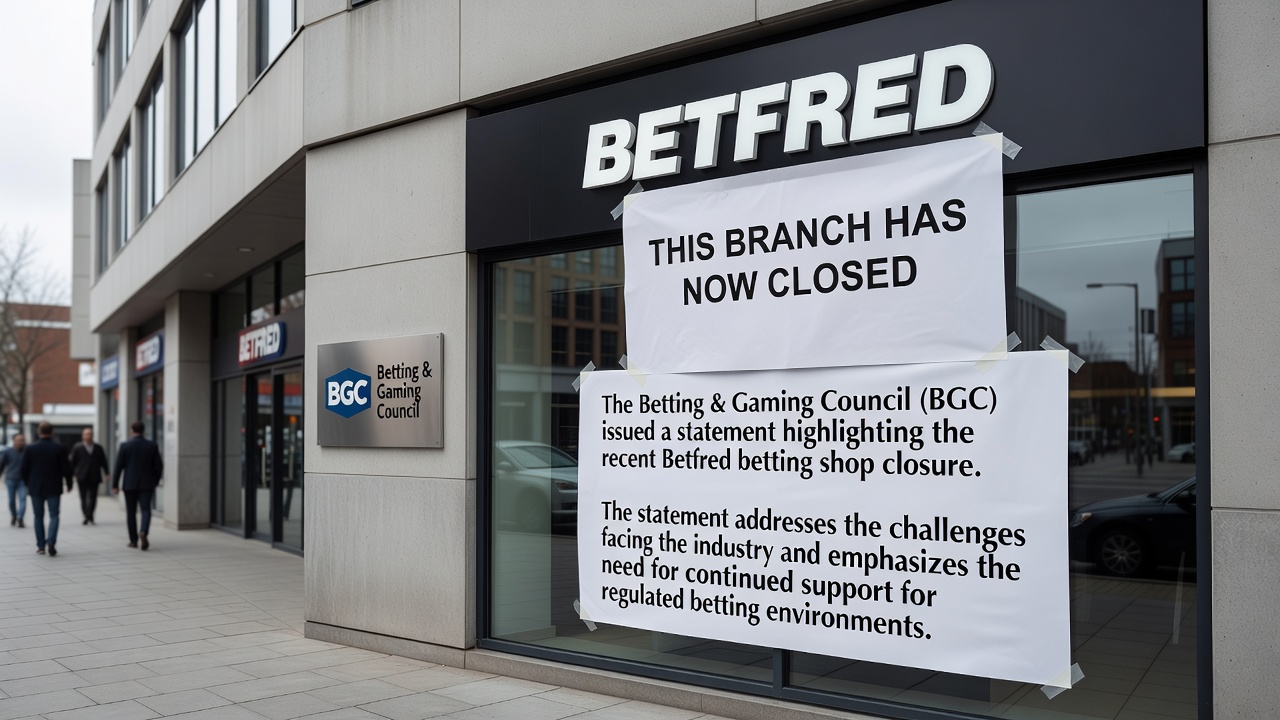
BGC CEO Grainne Hurst didn't mince words in addressing the root causes, linking the black market boom to skyrocketing operator costs and looming financial risk checks proposed by the UK Gambling Commission; she explained how these factors drive punters toward unregulated alternatives that skip essentials like age verification, anti-money laundering protocols, and deposit limits. Observers who've followed Hurst's commentary see this as a recurring theme, where compliance burdens make legal betting less competitive on price or speed.
Rising costs hit from multiple angles: higher taxes, staffing for 24/7 monitoring, tech upgrades for fraud detection; add in the proposed intrusive checks—scanning bank data for affordability—and punters frustrated by delays or rejections turn elsewhere. Turns out, black market sites offer instant action without the paperwork, a siren call during live events like the Grand National where timing matters.
Hurst's statement, issued right after the festival, highlights real-world fallout: one punter might face a quick denial on a licensed app due to routine checks, then pivot to an offshore bookmaker promising seamless play; experts observe this shift accelerates around majors, with data indicating up to 20-30% volume drops for regulated platforms on race days. And while the BGC pushes for balanced reforms, the current trajectory leaves vulnerabilities exposed, punters gambling without nets.
Risks Amplified: No Protections in the Shadows
Unregulated operators lack the guardrails that define UK betting: no GamStop self-exclusion integration, no independent dispute resolution, no caps on losses during manic sessions; studies from groups like the BGC reveal that black market users face higher addiction risks, since these sites deploy aggressive bonuses, unlimited stakes, and algorithms pushing further play. During Aintree's frenzy, one might imagine a punter chasing a lost bet on the National, piling on without limits that licensed sites enforce.
Anti-money laundering gaps worry authorities too; cash from illicit sources flows freely, evading checks that legitimate firms run religiously. Observers note cases where organized crime exploits these platforms, laundering funds through high-volume race bets that mimic legit activity. What's interesting is how this ties back to the £100 million: not just lost taxes—estimated in tens of millions—but eroded trust in the overall ecosystem.
Yet for punters, the allure persists: better odds advertised (often illusory), crypto payments for anonymity, no ID uploads; but when disputes arise—payouts withheld, accounts frozen—recourse evaporates. Those who've tracked complaints see patterns, with forums lighting up post-Grand National about rogue sites stiffing winners on big races.
Industry Voices and teh Push for Change
The BGC's alert serves as more than a stat drop; it's a call to action, urging policymakers to weigh protections against overreach that fuels the very black market it aims to curb. Hurst emphasized collaboration, pointing to how licensed operators self-report data transparently while unregulated foes hide in plain sight. And as April 2026 unfolds—with the Grand National fresh in memory—conversations intensify around calibrating those financial checks to avoid driving more volume underground.
Stakeholders from tracks like Aintree echo the concerns, noting partnerships with BGC members bring verified betting hubs onsite; off-track, though, the digital wild west thrives. One racecourse official recounted festival data showing licensed terminals buzzing, yet app analytics revealing parallel dips. So the ball's in regulators' court: refine rules to keep punters safe without pricing out compliance.
Broader data supports the BGC's stance; past reports show black market shares climbing 10-15% yearly amid cost hikes, with events like this accelerating the trend. People in the know predict targeted enforcement—better ad blocks, international takedowns—could claw back slices, but only if paired with workable affordability models.
Conclusion
The Grand National's black market haul—up to £100 million festival-wide, £40 million on the marquee race—crystallizes tensions in UK gambling, where BGC CEO Grainne Hurst flags operator cost burdens and pending UK Gambling Commission checks as key drivers pushing punters to risky shadows. Data underscores the perils: absent safeguards on age, addiction, and laundering leave bettors exposed, while licensed firms shoulder the compliance load alone.
Yet observers watching this space closely anticipate shifts; as 2026 progresses, balanced reforms could stem the tide, ensuring high-stakes spectacles like Aintree deliver thrills without the hidden costs. For now, the numbers speak volumes, a stark reminder that in betting's high-wire act, protections matter more than ever.