Britain's Betting Evolution: Fresh Data on Wagers, Apps and Market Shifts This Season
Henrik Weber · Jul 9, 2026

UK Gambling Commission Introduces Staged Financial Risk Assessments for Online Gamblers
The UK Gambling Commission has announced new financial risk assessments that will apply to online gamblers who spend more than £1,000 within any 24-hour period or £3,000 across a 90-day window, while lower thresholds will apply for those under the age of 25. These checks draw on credit reference agency data yet fall short of full affordability assessments, and the regulator plans to phase them in starting this summer with the highest spending thresholds first and the largest operators leading the way. Initial estimates indicate the measures will affect fewer than 0.5 percent of customers at launch, and the stated goal centers on identifying individuals who may face financial difficulty while providing support without imposing blanket spending limits.Core Elements of the New Measures
The policy sets clear spending triggers that activate a review process, and operators must examine credit data to flag potential risks such as mounting debt or payment issues. Under-25s encounter reduced thresholds because data from the Gambling Survey for Great Britain has shown higher vulnerability in that age group, yet the checks remain targeted rather than universal. The Commission has emphasized that these reviews aim to support customers rather than restrict access outright, and the approach avoids the comprehensive income verification that full affordability checks would require.
Phased Implementation Timeline
Rollout begins with the strictest spending bands and the biggest licensed operators this summer, creating a controlled test environment before wider application. Subsequent stages will lower the thresholds gradually and bring in smaller operators, allowing the industry time to adjust systems and customer communication protocols. By July 2026 the framework is expected to cover a broader range of spending levels, although the exact schedule depends on early-stage results and feedback from operators already conducting teh checks.
Industry Body Response
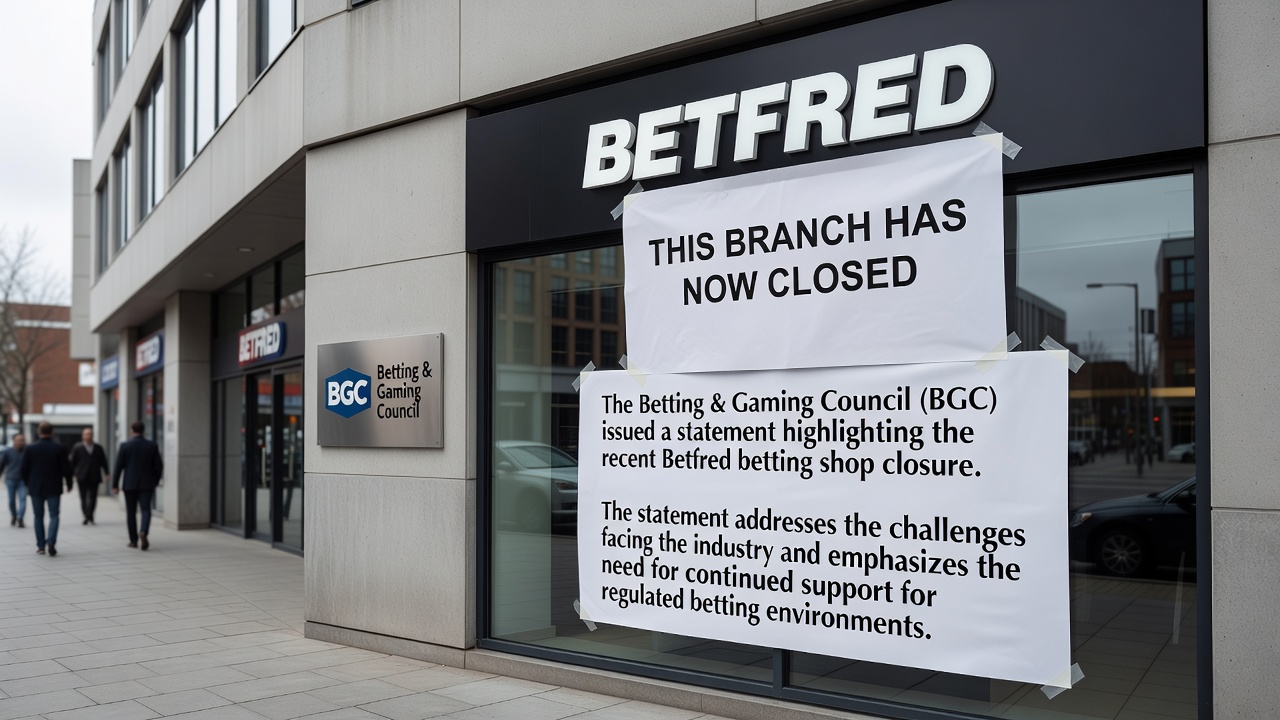
The Betting and Gaming Council, which represents major operators, expressed disappointment with the announcement and warned that the new requirements could push some customers toward unregulated black-market sites. Council statements highlighted concerns over customer friction and data privacy, while also noting that licensed operators already invest heavily in safer gambling tools. The organization argued that the measures risk undermining the regulated market without addressing the root causes of problem gambling that extend beyond spending thresholds.
How the Checks Differ from Affordability Reviews
Unlike full affordability checks that would examine detailed income and expenditure records, these financial risk assessments rely primarily on credit reference agency information such as outstanding loans, missed payments, and overall credit profiles. The Commission has clarified that the process does not involve direct requests for payslips or bank statements at the initial stage, which keeps the intervention lighter while still providing actionable signals. Operators receive guidance on how to interpret the data and when to offer support such as deposit limits or referrals to counseling services.
Customer Impact and Scope
Because the checks start at high spending levels and affect less than half a percent of accounts initially, most regular gamblers will not encounter them in the first phase. Those who do trigger a review will receive notification from their operator explaining the outcome and any recommended steps, and the regulator has stressed that the focus remains on support rather than punishment. Lower thresholds for under-25s mean younger adults could see reviews triggered at comparatively modest spending amounts, reflecting the Commission's view that early intervention can prevent longer-term harm.
Conclusion
The staged introduction of financial risk assessments marks a measured shift in how the UK Gambling Commission monitors high-spending online activity, balancing consumer protection with operational practicality for licensed operators. As the rollout progresses through 2026, both regulators and industry participants will monitor customer behavior, complaint volumes, and any migration toward unlicensed platforms to assess whether adjustments become necessary. The policy remains narrowly focused on specific spending triggers and credit data, leaving room for further refinement based on real-world outcomes once the largest operators begin implementation this summer.