Evoke's William Hill Faces Shop Closures: 200 UK Locations Set to Shut from May 2026 Amid Tax Squeeze
Willa Franke · Mar 31, 2026

Evoke's William Hill Faces Shop Closures: 200 UK Locations Set to Shut from May 2026 Amid Tax Squeeze
The Sudden Announcement Hits Staff on March 31
Evoke, the parent company behind the well-known William Hill brand, delivered stark news to its employees on March 31, 2026, revealing plans to close approximately 200 betting shops across the UK beginning in May 2026; the decision stems directly from mounting cost pressures, particularly tax increases outlined in the recent budget. Staff members, caught off guard by the timing just as the financial year wrapped up, learned that these closures form part of a strategic response to an environment that's grown increasingly tough for physical betting operations. Observers note how such announcements often ripple through local communities, where these shops have long served as fixtures on high streets.
What's interesting here is the precision in the rollout: closures won't happen overnight but will phase in from May, allowing some time for wind-downs, yet the message landed firmly amid broader fiscal shifts. According to details shared in the Bloomberg report, Evoke pinpointed government-led tax hikes as the primary culprit, with Chancellor Rachel Reeves' policies adding layers of strain on an already squeezed sector. And while the company maintains around 1,300 shops nationwide, this move targets about 15% of that footprint, signaling a deliberate cull rather than a blanket shutdown.
Job Risks Mount as Closures Target Key Locations
The human cost emerges clearly in the numbers: up to 1,500 jobs hang in the balance, a figure that underscores how interconnected these shops are with local employment, especially in areas where betting outlets cluster amid retail decline. Experts who've tracked similar retrenchments point out that roles like counter staff, managers, and maintenance crews face the brunt, although Evoke hasn't detailed redeployment plans yet; that's where the rubber meets the road for affected workers navigating uncertainty in a job market that's far from forgiving.
Take one high street in Manchester, for instance, where multiple William Hill branches operate side by side with other independents; closures there could thin out the landscape dramatically, leaving gaps that online alternatives might not fill in the same way. Data from past sector shifts reveals patterns like this, where physical sites consolidate around higher-traffic zones, but the immediate fallout for 1,500 individuals remains the stark reality. Those who've studied workforce transitions in retail gambling note how such cuts often prompt union responses or government support schemes, although specifics for this wave stay pending.
Tax Hikes from Reeves' Budget Tip the Scales
Chancellor Rachel Reeves' recent budget delivered the hammer blow, with gambling tax adjustments hitting operators like Evoke square in the operations budget; these hikes, aimed at curbing sector excesses, layer onto existing duties, making brick-and-mortar viability a tougher sell. Turns out the physical betting model, reliant on foot traffic and in-person wagers, absorbs these costs less efficiently than digital platforms, which boast lower overheads and broader reach.
Figures indicate that remote gaming duties have climbed, squeezing margins on traditional over-the-counter bets that define William Hill's shop network; it's not rocket science when you break it down, as higher taxes on gross gambling yield directly erode profitability in high-rent urban spots. Government crackdowns, led by Reeves' oversight, extend beyond taxes to include affordability checks and stake limits, all contributing to a slowdown that's eroded shop numbers over years. One study from industry analysts highlights how such policies accelerated a 20% drop in physical locations since 2020, setting the stage for moves like Evoke's.
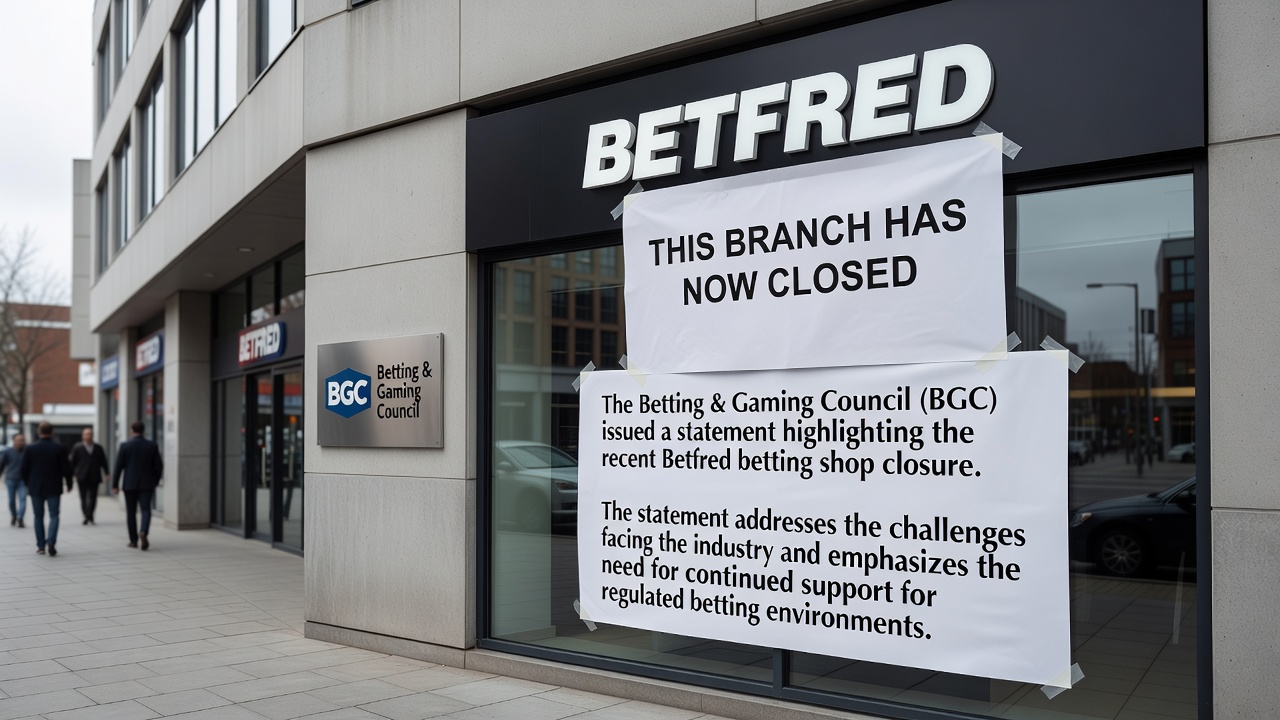
Evoke's Network and the Path to Consolidation
With 1,300 shops under its banner, William Hill represents a cornerstone of UK land-based betting, a legacy Evoke inherited after acquiring the chain in recent years; yet maintaining that sprawl proves costlier by the day, prompting this targeted pruning of 200 underperformers. Observers who've followed the company's trajectory see echoes of earlier consolidations, where less viable sites give way to streamlined operations focused on prime locations.
Here's where it gets interesting: Evoke's strategy leans into online growth, where William Hill's app and site draw millions, offsetting shop vulnerabilities; physical closures thus align with a hybrid model that's become the norm, although the transition isn't seamless for everyone involved. People in the sector often discover that shop densities cluster in cities like London and Glasgow, so expect those areas to feel the pinch most acutely, with rural outposts potentially spared if they hold steady customer bases.
And consider the lease implications: many shops sit on multi-year contracts, meaning Evoke faces exit penalties alongside tax woes, a double whammy that accelerates the May 2026 timeline. Researchers tracking real estate in gambling have found that landlords increasingly pivot to mixed-use spaces, turning former betting halls into cafes or gyms, which reshapes high streets in subtle but lasting ways.
Wider Decline in Physical Betting Shops Unfolds
This isn't an isolated jolt; the UK betting sector's physical arm has withered under successive government measures, from advertising curbs to enhanced player protections, all while online wagering surges ahead. Evoke's move continues that trend, with shop counts plummeting from peaks over 9,000 a decade ago to today's leaner figures; William Hill alone has shuttered hundreds before, adapting to a landscape where smartphones eclipse till slips.
But here's the thing: Chancellor Reeves' crackdowns, including plans for a statutory levy on problem gambling, amplify pressures that started with earlier budgets, forcing operators to rethink footprints. Data shows physical bets now comprise under 10% of gross yield in major firms, highlighting why closures like these feel inevitable; those who've crunched the numbers emphasize how cost-per-square-foot in prime spots clashes with shrinking volumes, especially post-pandemic.
One case from a few years back involved a rival chain trimming 400 sites after similar fiscal hits, resulting in localized job pacts and retraining programs; Evoke might follow suit, although details emerge slowly. It's noteworthy that unions have already voiced concerns, urging mitigation for the 1,500 at risk, while the Gambling Commission monitors compliance amid the flux.
Looking Ahead: What Closure Phasing Means
As May 2026 approaches, Evoke's phased rollout allows for consultations and potential site swaps, but the net loss of 200 shops reshapes regional access to in-person betting; customers in closure zones shift online or to survivors, accelerating digital adoption that's already transformed habits. Experts observe how such changes boost app downloads, with William Hill's platform poised to capture displaced punters seamlessly.
Yet challenges persist: older demographics reliant on cash and face-to-face service might struggle, prompting calls for access safeguards from advocacy groups. The writing's on the wall for high-cost models, as tax trajectories under Reeves suggest more tightening ahead, although industry lobbying pushes back with economic contribution arguments.
Conclusion
Evoke's announcement on March 31, 2026, to close 200 William Hill shops from May underscores a pivotal moment for UK physical betting, driven by tax hikes and regulatory headwinds from Chancellor Reeves; with 1,300 sites in play and 1,500 jobs potentially lost, the sector edges further toward online dominance. Observers tracking these shifts anticipate further adaptations, as operators balance fiscal realities with customer needs in an evolving landscape. The ball's now in stakeholders' courts, from government to unions, to navigate the fallout effectively.