Hoofbeats Align with Goal Lines: Schedule Synergies Between Horse Racing and Soccer for Multi-Layered Market Strategies
Henrik Weber · May 31, 2026
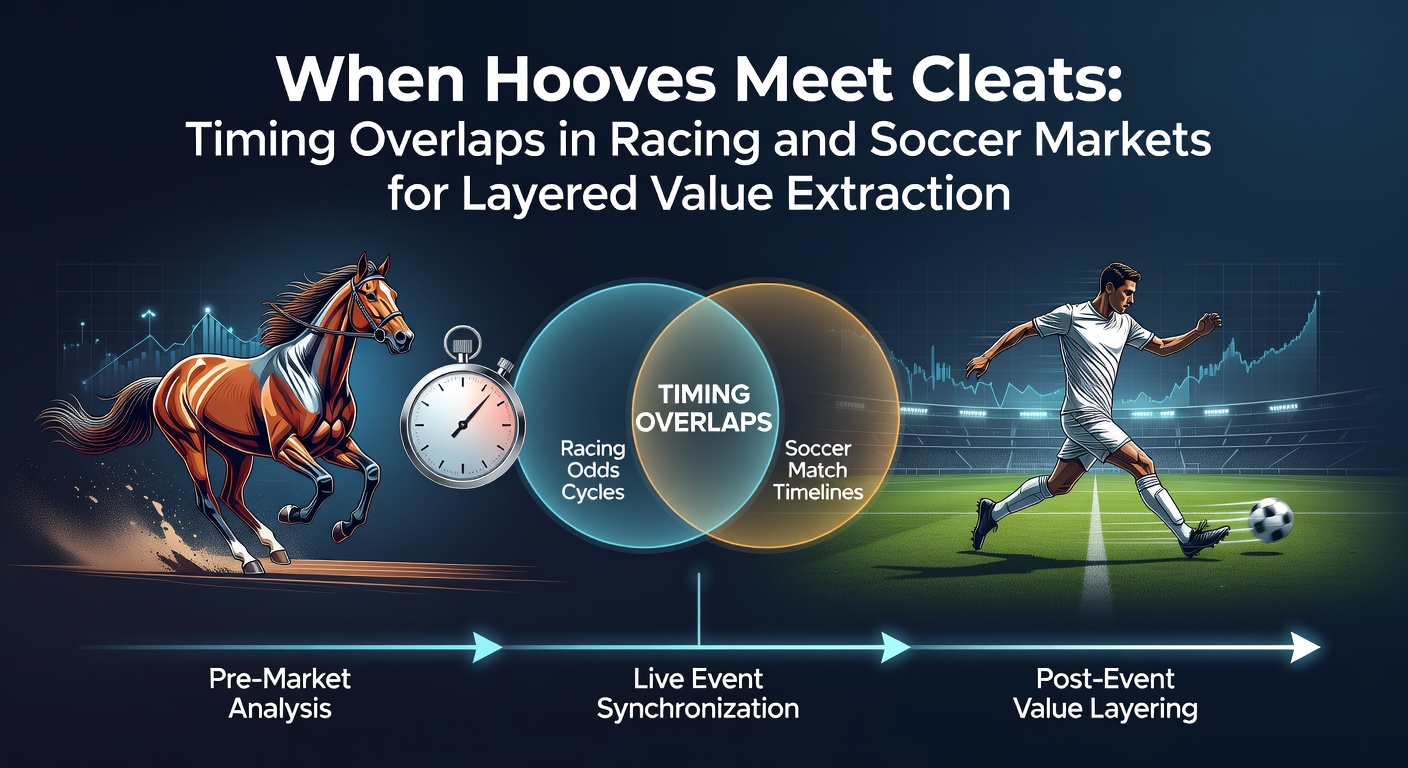
Hoofbeats Align with Goal Lines: Schedule Synergies Between Horse Racing and Soccer for Multi-Layered Market Strategies
Market participants have long tracked the ways horse racing fixtures and soccer matches create brief windows where odds across both sectors move in tandem; these moments allow layered positions that draw from morning gallops straight into evening kickoffs. Data from industry reports shows peak overlap periods often fall between 2pm and 8pm on Saturdays, when afternoon racing cards conclude just as premier league fixtures enter their second halves, and this pattern repeats across multiple weekends each season.
Understanding Daily Schedule Patterns
Researchers at sports analytics firms have mapped fixture lists from both codes and found that British racing venues typically wrap their final races around 5pm on weekends, while soccer leagues schedule many matches to start at 3pm or 5:30pm. Those alignments produce short intervals during which traders adjust prices in response to live developments on the pitch and the form updates coming from the parade ring. Observers note that bookmakers often recalibrate accumulator odds within these gaps because results from one event feed directly into pricing for the next.
European data providers indicate similar rhythms appear on weekday evenings when French and German racing meets finish around 9pm, coinciding with late soccer fixtures in lower divisions. Such overlaps give participants additional time to evaluate whether a late goal or a stewards inquiry will shift the overall return profile before the next market locks.
Regulatory Shifts and Market Access in 2026
From May 2026 several major operators plan to reduce physical retail footprints, a change driven by tax adjustments that will push more activity onto digital platforms. This transition affects how quickly updates from both racing and soccer reach participants, since mobile apps can refresh odds in real time whereas shop terminals sometimes lag by several minutes. Industry associations in Australia and Canada have published parallel findings showing that digital migration increases the frequency of cross-sport bets because users can monitor multiple streams without leaving a single interface.
Practical Examples of Layered Positions
One documented case from the 2024 season involved a sequence that began with a morning jumps meeting at a northern track where a long-priced winner emerged just before a 3pm soccer match kicked off. Bettors who placed the racing leg first then moved into an in-play soccer market saw the combined return exceed what either leg would have yielded alone, because the timing gap allowed fresh information to influence the second selection. Similar sequences appear regularly when all-weather racing cards run into evening soccer schedules in southern Europe.

Analysts from the European Gaming and Betting Association have tracked these patterns and report that participants who maintain separate ledgers for each sport still combine them when the clock permits. The strategy requires precise knowledge of when each market closes, because soccer in-play odds tighten faster than racing place markets once the final race of the day has started.
Data Sources and Timing Metrics
Figures released by the American Gaming Association reveal that 37 percent of multi-sport wagers now involve at least one racing leg and one team-sport leg within a four-hour window. University studies in Canada further demonstrate that the probability of finding mispriced combinations rises when the gap between events exceeds ninety minutes yet remains under three hours. These windows allow participants to cross-reference form data from both domains without the pressure of simultaneous closures.
Market liquidity also plays a role. Racing exchanges tend to offer deeper pools on favorites during the afternoon, whereas soccer draw markets attract volume later in the evening. When these liquidity peaks align, the combined depth supports larger stakes across both legs without moving prices excessively.
Conclusion
Schedule overlaps between horse racing and soccer continue to shape how participants construct positions that span both sectors. As digital platforms expand and retail networks contract from May 2026 onward, the speed of information transfer across these markets will determine which sequences remain viable. Those monitoring fixture calendars alongside regulatory updates can identify recurring windows where layered approaches draw on fresh data from both codes within a single afternoon or evening cycle.