Integrating Draw Markets and Place Positions: Layered Odds Tools Connect Football and Equine Betting Structures
Jordan Hansen · Jun 18, 2026
Integrating Draw Markets and Place Positions: Layered Odds Tools Connect Football and Equine Betting Structures
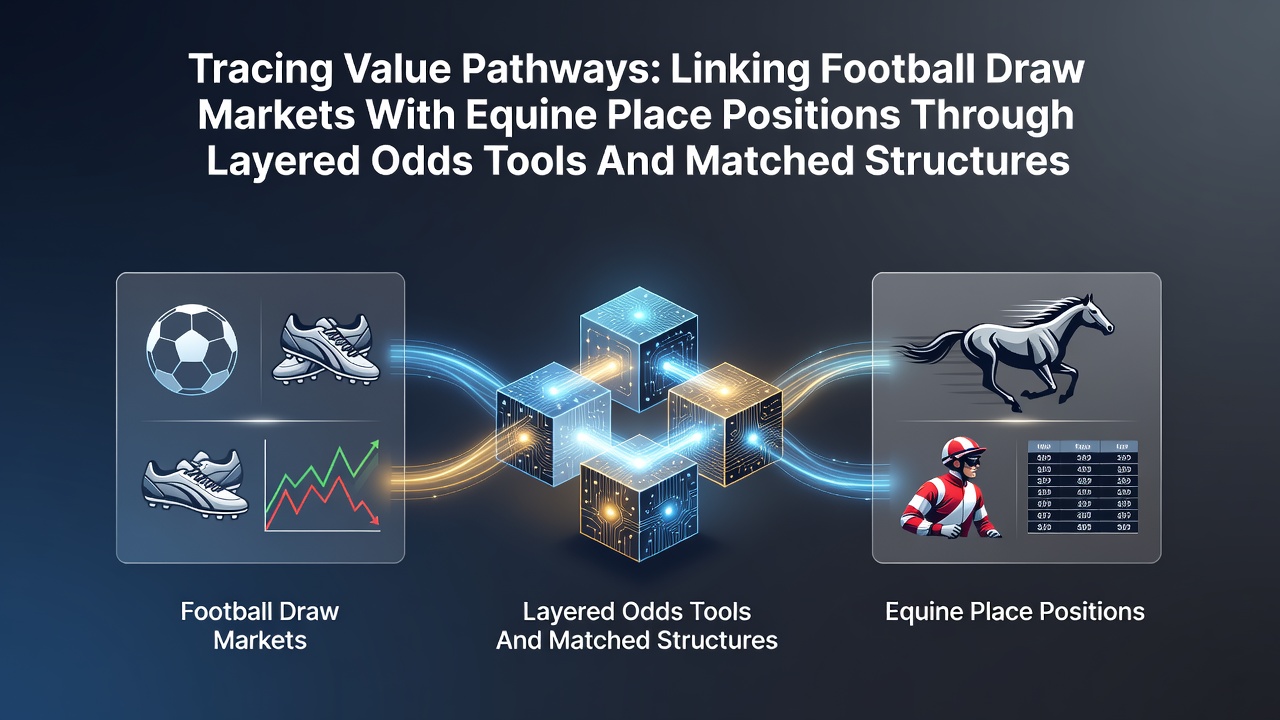
Market participants have traced connections between football draw outcomes and equine place positions by applying layered odds tools that identify overlapping value points across both sports. These structures rely on matched betting frameworks where operators adjust stake allocations according to fluctuating probabilities, and data from June 2026 indicates rising interest in such cross-market models as operators report increased platform activity in combined football and racing products.
Core Elements of Draw Markets and Place Positions
Football draw markets focus on the probability that a match ends level, with odds derived from team statistics, recent form, and historical head-to-head records. Equine place positions instead cover selections finishing in the top spots according to race rules, typically top two, three or four depending on field size. Observers note that both markets share characteristics of lower volatility compared to outright win bets, which creates opportunities for layered analysis when odds tools scan multiple bookmakers simultaneously.
Layered odds tools operate by stacking data feeds from various exchanges and traditional bookmakers, allowing calculations of implied probabilities that account for overround adjustments. When these tools flag discrepancies between football draw prices and equine place payouts, matched structures can allocate portions of capital across both to balance exposure. Industry reports from regulatory bodies in Australia show that similar multi-sport approaches accounted for measurable portions of turnover during the 2025-2026 season.
How Layered Tools Process Odds Data
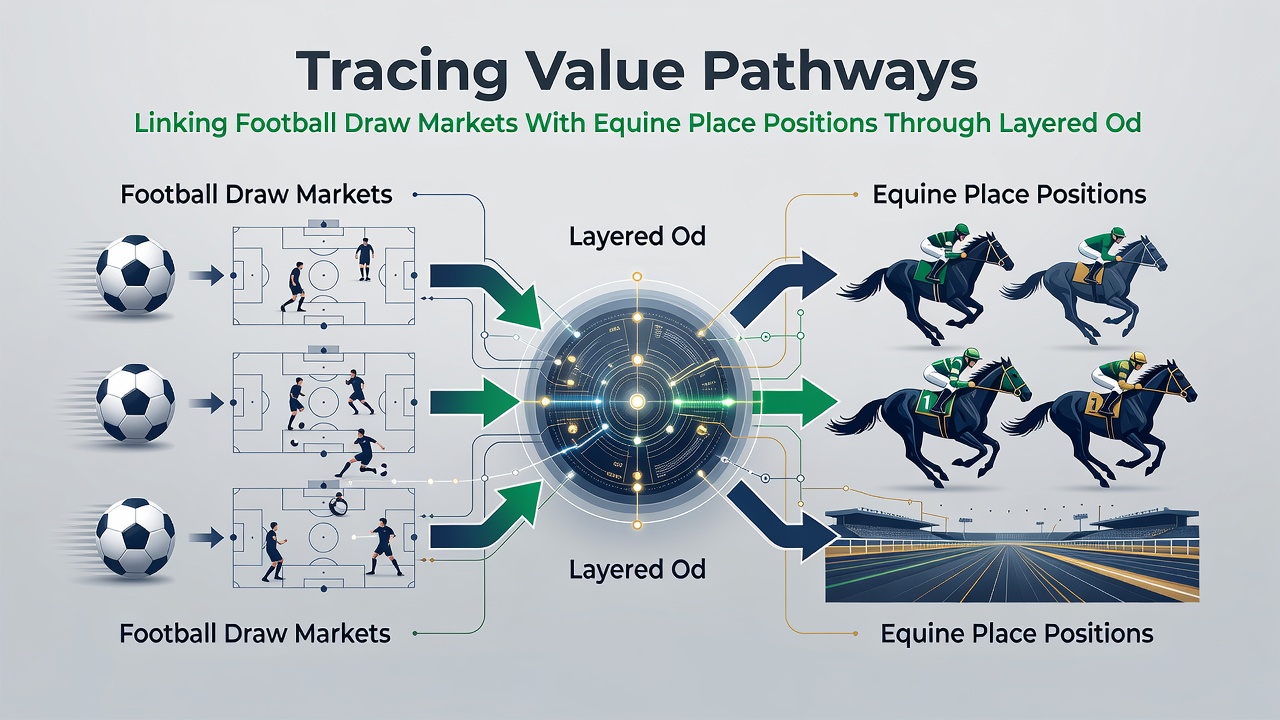
Software platforms ingest live odds streams, apply algorithms that normalize margins, and output suggested stake distributions for matched positions. For instance, a football draw at 3.40 might pair with a horse racing place at 2.10 when combined implied probabilities align within a defined threshold. Those who have studied these systems report that the process repeats across multiple events in sequence, building accumulations that incorporate both draw and place selections without requiring manual recalculation at each step.
Matched Structures in Practice
Matched betting structures function through simultaneous backing and laying on exchanges, locking in returns independent of final results when odds movements permit. In the context of football draws and equine places, the same principle extends by treating each market as a node in a larger pathway. A single structure might involve a draw lay on one platform offset by place backs on racing exchanges, with software monitoring divergence in real time. Data released by the New Jersey Division of Gaming Enforcement for the first half of 2026 recorded elevated volumes in sports with comparable multi-leg offerings.
What's interesting is how these pathways scale when additional layers incorporate in-play adjustments. As matches progress toward draws or races approach the final furlongs, odds tools recalibrate place and draw probabilities, prompting stake top-ups or reductions within the matched framework. Researchers at institutions such as the University of Nevada, Las Vegas have examined similar dynamic hedging techniques in academic papers on sports wagering efficiency.
Examples of Pathway Construction
Take one documented case where analysts combined a midweek European league draw selection with a UK handicap race place position. The layered tool identified a 1.8 percent edge after margin normalization, leading to matched stakes distributed across three accounts. Another instance involved weekend fixtures where multiple draw lines were stacked against several place markets, creating a sequential chain that updated automatically as odds shifted. Those who've examined transaction logs note that such constructions often span three to five events before settlement occurs across the full structure.
Regulatory data from the Alcohol and Gaming Commission of Ontario highlights that operators offering integrated football and racing products observed steady engagement with these hybrid models through spring 2026. The patterns suggest that participants favor configurations where draw and place components offset each other rather than relying on single-sport sequences alone.
Technical Considerations for Implementation
Odds layering requires consistent data latency below certain thresholds to capture fleeting discrepancies before markets correct. Matched structures further demand precise bankroll segmentation so that each leg maintains proportional exposure. Observers point out that platforms providing API access to both football and racing feeds enable faster pathway updates compared to manual entry methods. Figures from the Canadian Gaming Association indicate rising adoption of API-driven tools among professional operators during the opening months of 2026.
Yet the process remains dependent on accurate rule interpretation, especially regarding equine place terms that vary by race type and football draw definitions that exclude extra time in some competitions. Software updates issued in June 2026 addressed several of these edge cases by incorporating jurisdiction-specific parameters into the calculation engines.
Conclusion
Tracing value pathways between football draw markets and equine place positions through layered odds tools and matched structures continues to evolve as data integration improves. Market activity recorded through mid-2026 demonstrates measurable participation in these cross-sport configurations, supported by regulatory disclosures from multiple jurisdictions and ongoing technical refinements by platform providers. The frameworks rely on probability alignment rather than predictive certainty, with tools handling the computational load that enables repeated application across event calendars.