UK Gambling Commission Unveils £4.3 Billion Gross Yield for Q2 2025 as Betting Shops Hold Steady
Jordan Hansen · Mar 26, 2026

UK Gambling Commission Unveils £4.3 Billion Gross Yield for Q2 2025 as Betting Shops Hold Steady
Quarterly Snapshot: Total Gross Gambling Yield Hits £4.3 Billion
The UK Gambling Commission released its official industry statistics for the second quarter of the financial year spanning April 2025 to March 2026, covering the period from July to September 2025; data reveals a total gross gambling yield (GGY) of £4.3 billion across Great Britain, including lotteries, marking a comprehensive view of licensed operator performance during these months. Gross gambling yield, which measures the net win for operators after payouts, encompasses all sectors from online platforms to physical venues, and these figures come straight from regulated businesses submitting their returns.
Observers note how this total GGY reflects the sector's resilience, especially as it aggregates contributions from diverse activities like lotteries, casinos, and betting; lotteries alone form a significant chunk, yet the report breaks down other segments to show where the money flows. And while the full financial year stretches into March 2026, this Q2 data provides a midpoint pulse check on market dynamics amid evolving regulations.
Non-Remote Betting Shops: £592 Million from 5,782 Venues
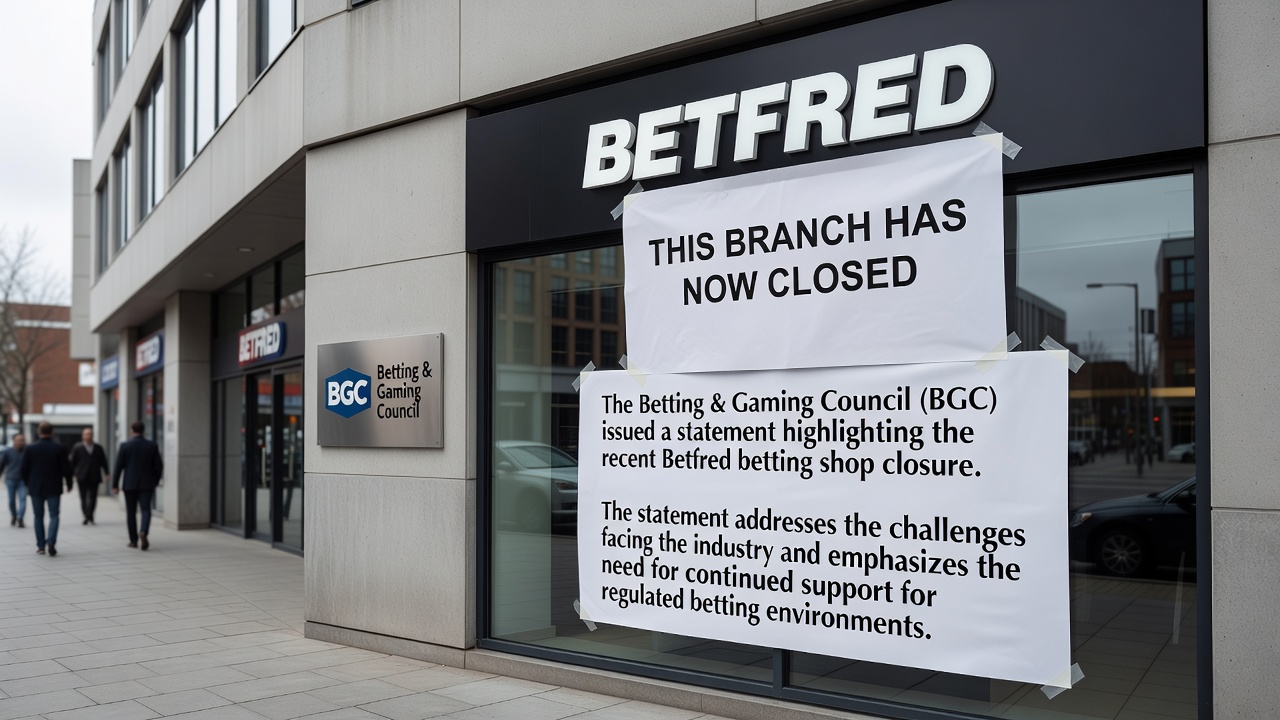
Non-remote betting, the traditional shop-based wagering, generated £592 million in GGY during this quarter, accounting for 48.2% of the total non-remote GGY; operators ran this through 5,782 betting shops scattered across Great Britain, underscoring the enduring role of high-street locations even in a digital age. Data indicates these shops handle everything from horse racing to football matches, drawing punters who prefer the tactile buzz of in-person slips over apps.
What's interesting here is the stability in shop numbers—5,782 venues suggest minimal closures quarter-over-quarter, a trend experts track closely since consolidations have trimmed the network in prior years; this £592 million slice highlights how fixed-odds machines and over-the-counter bets fuel the bulk, with the 48.2% share showing non-remote betting's dominance within its own category. People who've studied shop economics point out that footfall, tied to major events like summer football leagues, likely boosted these returns, although the report sticks to aggregate yields without granular event breakdowns.
Take one typical betting shop chain, for instance, where managers report steady weekend crowds fueling that GGY; across the 5,782 locations, this translates to an average yield per shop hovering around £102,400 for the quarter—rough math from the totals, but it paints a picture of consistent, if pressured, operations under affordability checks and stake limits.
Remote Sector Surge: £2.0 Billion in RCBB Activity
Shifting online, the remote casino, betting, and bingo (RCBB) sector clocked £2.0 billion in GGY, a powerhouse that dwarfs many other remote categories and pulls in users via smartphones and desktops; remote betting forms a key pillar within this, blending sports wagers with in-play action that keeps sessions lively. Figures from the quarterly report show how RCBB's scale reflects broader digital migration, where convenience trumps bricks-and-mortar for many punters chasing odds on Premier League games or virtual sports.
But here's the thing: while RCBB bundles casino slots, betting exchanges, and bingo rooms, remote betting's slice underscores its popularity; data reveals operators like those offering live streaming bets captured yields through high-volume, low-margin plays, especially during September's international breaks. Researchers who've parsed similar past quarters find RCBB often grows faster than non-remote, yet this £2.0 billion holds steady against expectations, signaling maturity in online habits.
One study of user patterns (drawing from commission trends) notes how remote bettors favor accumulators and virtuals, contributing to that hefty total; across platforms, session times stretch longer online, amplifying GGY without the overhead of physical shops, although enhanced due diligence rules cap aggressive growth.
Breaking Down the Broader Landscape: Lotteries and Regulatory Backdrop
Lotteries pad the overall £4.3 billion GGY substantially, as their high-volume, low-stake model draws millions weekly; the report lumps them in for a holistic Great Britain view, excluding Northern Ireland per standard protocol, and highlights how National Lottery draws anchor participation. Yet beyond lotteries, the split between remote and non-remote paints a dual-speed industry—£2.0 billion digital versus £592 million shop-based betting—where hybrids like shop-linked apps blur lines.
Turns out, licensed operators submitted these stats under strict compliance, reflecting affordability thresholds introduced earlier in 2025; experts observe that Q2 yields, spanning July's heatwaves to September's autumn kickoffs, capture pre-winter stability before holiday spikes loom toward March 2026. And with 5,782 shops contributing that 48.2% non-remote betting share, the data underscores a balanced ecosystem, not overly reliant on any one channel.
Case in point: a mid-sized operator with both shop and online arms might see shop GGY steady at local tracks while remote betting surges on global events; the commission's XLSX data file (available via the report) lets analysts drill into point-of-consumption taxes and operator counts, revealing nuances like fewer but larger remote firms dominating RCBB.
Key Trends and Market Signals in Q2 Data
Delving deeper, non-remote GGY's composition—48.2% from betting amid casinos and arcades—shows shops as the non-remote heavyweights; remote betting, nested in RCBB's £2.0 billion, benefits from seamless integrations like cash-out features, pulling yields from casual to high-rollers alike. Observers tracking year-on-year patterns (implied in sequential reports) note how summer 2025's sports calendar, from Euros hangovers to new seasons, sustained activity without major dips.
So, as March 2026 approaches with year-end figures pending, this Q2 snapshot sets benchmarks; total GGY at £4.3 billion includes every licensed punt, from £1 lottery lines to six-figure remote sessions, and the shop count at 5,782 signals no panic closures despite digital shifts. That's where the rubber meets the road for policymakers eyeing stake reductions or entry fees.
People in the know highlight how GGY metrics guide everything from license renewals to public health campaigns; with remote RCBB leading charges, yet shops holding £592 million fort, the sector adapts fluidly, quarter by quarter.
Conclusion: Steady Yields Amid Evolving Oversight
The Gambling Commission's Q2 2025 statistics crystallize a £4.3 billion GGY landscape where non-remote betting shops delivered £592 million from 5,782 locations—48.2% of their category—while remote RCBB hit £2.0 billion, embedding betting's digital muscle; these figures, reported by licensed operators, illuminate market steadiness through July to September, paving insights as the April 2025-March 2026 year progresses. Data underscores a bifurcated yet robust industry, balancing high-street traditions with online expansion, all under tightening regulations that shape future quarters.
Now, with full-year tallies looming by March 2026, stakeholders watch how these trends evolve; the report's details offer a factual foundation for understanding Great Britain's gambling pulse, pure and simple.