UK Gambling Industry Braces for Major Tax Increases and Stricter Oversight as Online Revenues Softened in Late 2025
Willa Franke · Mar 20, 2026

UK Gambling Industry Braces for Major Tax Increases and Stricter Oversight as Online Revenues Softened in Late 2025
The Shifting Landscape of UK Gambling Regulation
Regulators in the UK have ushered in a new era of tighter controls over the gambling sector, where higher taxes and enhanced oversight measures coincide with reports of declining online revenues; data from the UK Gambling Commission reveals softer figures for the final quarter of 2025, largely pinned on weaker real-event betting activity and operators adapting to recent rule changes. Operators now face a remote gaming duty hike from 21% to 40%, set to kick in starting April 2026, which promises to reshape profit margins across online platforms while government reforms simultaneously scrap bingo duty and roll out a statutory levy on gambling firms expected to generate £100 million each year for research, prevention, and treatment of gambling-related harm.
What's interesting here is how these changes build on fresh academic evidence highlighting the broader impacts of gambling, prompting policymakers to act decisively; those tracking the industry note that March 2026 will serve as a critical prelude, with companies ramping up compliance preparations ahead of the April tax surge. And while the levy targets harm mitigation directly, it underscores a pivot toward accountability, where operators contribute systematically rather than relying on voluntary efforts alone.
Tax Hikes Reshape the Remote Gaming Sector
The remote gaming duty increase stands out as the headline shift, jumping from 21% to 40% on profits from online slots, casino games, and similar remote activities come April 2026; experts observe that this nearly doubles the tax burden for many digital operators, who already navigate a complex web of point-of-consumption levies since their 2019 introduction. Bingo operators, on the other hand, catch a break with the abolition of bingo duty, yet the overall fiscal pressure mounts as the new statutory levy layers on top, channeling funds straight into gambling harm initiatives backed by mounting research on addiction risks and societal costs.
Figures reveal the levy's projected £100 million annual haul will fund everything from clinical treatments to public awareness campaigns, a move influenced by studies demonstrating how problem gambling ripples through families and communities; operators must now factor this into their financial planning, especially as softer Q4 2025 revenues—driven by subdued betting on real-world events like sports—signal potential headwinds persisting into 2026. Take one major operator who reported adjusted strategies in response to earlier affordability checks; such adaptations, while softening short-term yields, hint at the compliance costs already biting before the full tax regime lands.
Declining Online Revenues Signal Early Warning Signs
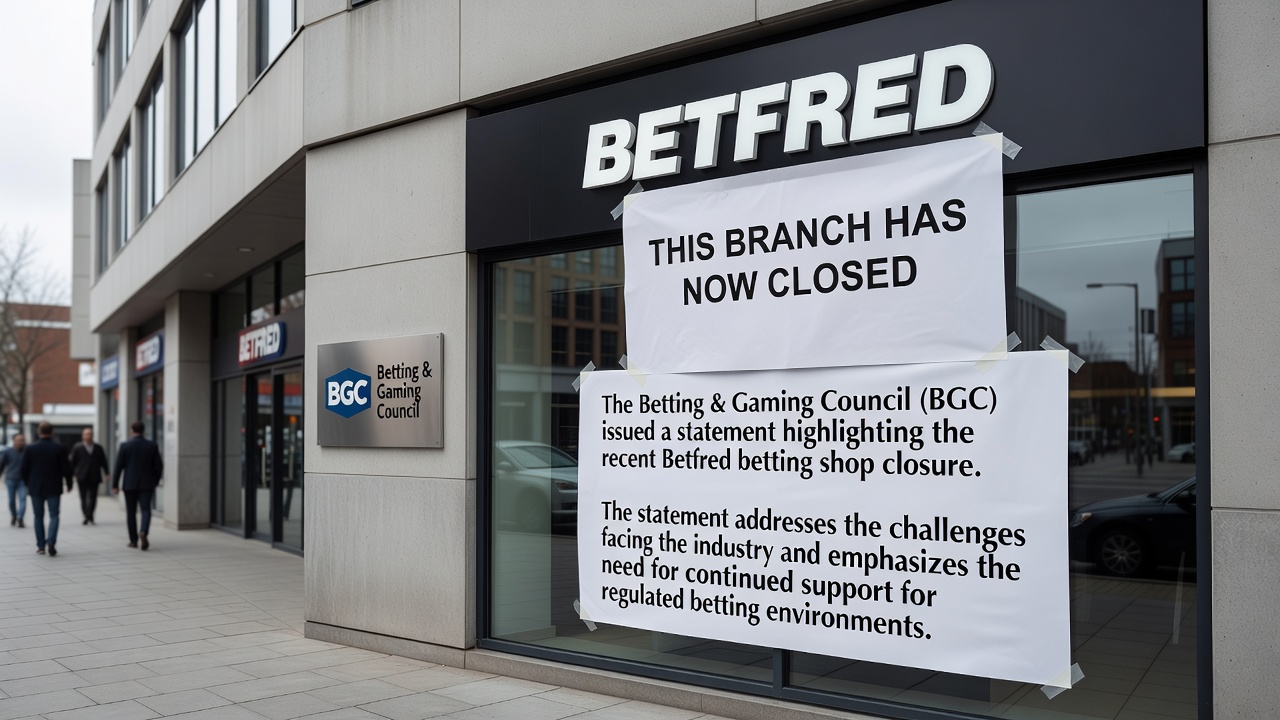
Online gross gambling yield dipped noticeably in the UK's final quarter of 2025, according to fresh Gambling Commission data, with real-event betting—think football matches or horse races—taking the biggest hit alongside tweaks from regulatory adaptations; operators attribute part of this to cautious player behavior amid new affordability thresholds and stake limits introduced earlier, which curbed high-roller activity without fully offsetting it through volume growth. But here's the thing: while land-based venues held steadier, the online segment's slip underscores vulnerabilities as tax pressures loom, prompting some firms to eye diversification or cost-cutting even now, months ahead of the April deadline.
People who've studied these quarterly reports often point out how seasonal factors like fewer major events played a role, yet the underlying trend ties back to regulatory friction; for instance, one analysis highlighted a 5-10% revenue softening in remote gaming specifically, where players pulled back on bets tied to live outcomes. That said, total gross gambling yield across all channels remained resilient year-over-year, buoyed by casino and slots stability, although observers warn that the incoming 40% duty could test those buffers come mid-2026.
New Tools for Monitoring Participation and Risks
Alongside fiscal overhauls, the Gambling Commission ramps up its data arsenal with enhancements to the Gambling Survey for Great Britain, designed to track participation rates, risk levels, and demographic shifts more precisely in the evolving market; this upgraded system promises granular insights into how online habits intersect with harm indicators, feeding directly into policy tweaks and levy allocations. Researchers emphasize that better data means earlier interventions, especially as evidence mounts on underrepresented risks like loot boxes or in-game purchases blurring lines with traditional betting.
Now, with March 2026 approaching, regulators stress proactive compliance, urging operators to integrate these survey findings into their responsible gambling frameworks; it's noteworthy that past surveys uncovered participation hovering around 40-50% among adults, with problem gambling rates steady at 0.5%, yet calls grow for real-time monitoring to catch spikes amid economic squeezes or event droughts. And while the industry adapts—some rolling out AI-driven risk alerts—the statutory levy's £100 million promise hinges on this data backbone to prove effective long-term.
Broader Reforms and Industry Responses
Government moves extend beyond taxes into structural reforms, abolishing bingo duty to level the playing field for traditional halls struggling against online giants, while the levy enforces contributions scaled to turnover; data indicates this could redistribute resources more equitably, with smaller operators potentially benefiting from bingo relief even as remote players shoulder heavier loads. Those in the sector note early jockeying, where firms lobby for phased implementations or offsets, although the April 2026 timeline holds firm amid cross-party support fueled by harm studies.
Turns out, the Q4 revenue dip offers a timely stress test, revealing how operators already trim marketing spends or refine product mixes to weather softer real-event volumes; one case saw a leading bookmaker pivot toward virtual sports and esports, niches less swayed by live schedules, hinting at innovation amid constraint. Yet challenges persist, particularly for pure-play online entities facing the duty wallop, where margins compress and investor scrutiny intensifies ahead of the March prep phase.
Experts who've tracked similar European overhauls—like Germany's 2021 interstate treaty—observe that while initial revenue hits sting, long-term stabilization often follows with better player protection; in the UK context, enhanced surveys and levy funds position the market for sustainable growth, provided operators embrace the data-driven pivot swiftly.
Conclusion
The UK gambling industry's path forward crystallizes around April 2026's remote gaming duty surge to 40%, coupled with a £100 million statutory levy and bolstered data systems like the Gambling Survey for Great Britain, all against a backdrop of Q4 2025's online revenue softening from real-event weakness and rule adaptations; bingo duty's end offers targeted relief, yet the net effect tightens oversight profoundly. As March 2026 nears, operators fine-tune operations while regulators sharpen monitoring, setting the stage for a more accountable sector informed by academic evidence on harm's toll. Data underscores resilience in core yields, but the rubber truly meets the road with these fiscal and regulatory gears fully engaged, promising a transformed landscape where prevention takes center stage.