UK Online Casino Market Navigates Major Regulatory Adjustments Throughout 2026
Jordan Bauer · May 19, 2026

UK Online Casino Market Navigates Major Regulatory Adjustments Throughout 2026
Regulatory developments have reshaped the UK online casino and gambling sector in 2026, with measures that took effect in January and April creating new operational realities for licensed operators across the country, and observers note these adjustments continue to influence strategies well into May and beyond while the market stabilises under tighter rules.
Details of the January and April 2026 Measures
The UK government introduced a 10x cap on wagering requirements for bonuses alongside a ban on mixed-product promotions starting in January 2026, and these rules directly target the high-volume bonus structures that many platforms previously relied upon to attract and retain players. Remote Gaming Duty then doubled to 40 percent from 1 April, which increased the financial pressure on operators who must now calculate returns against a significantly higher tax burden while still meeting compliance standards set by the Gambling Commission.
How These Rules Alter Bonus Structures
Under the new framework wagering requirements cannot exceed ten times the bonus amount, which eliminates many of the extended play cycles that once encouraged repeated deposits and high-churn activity, and the prohibition on mixed-product promotions prevents operators from bundling casino offers with sports betting or other verticals in single campaigns. Data from industry reports shows these restrictions have forced a shift toward simpler, more transparent bonus formats that emphasise long-term player value rather than immediate volume spikes.
Effects on Operator Margins and Strategic Priorities
Operators report squeezed margins because the combination of capped bonuses and higher duty reduces the flexibility they once had to absorb marketing costs and player acquisition expenses, while competition from the unlicensed black market adds further strain as some players migrate toward platforms that avoid these restrictions altogether. Those who have studied the sector observe that many companies now prioritise cost-cutting measures and refined retention tactics over aggressive expansion, and this recalibration reflects a broader move toward sustainable models that focus on player lifetime value instead of short-term acquisition metrics.
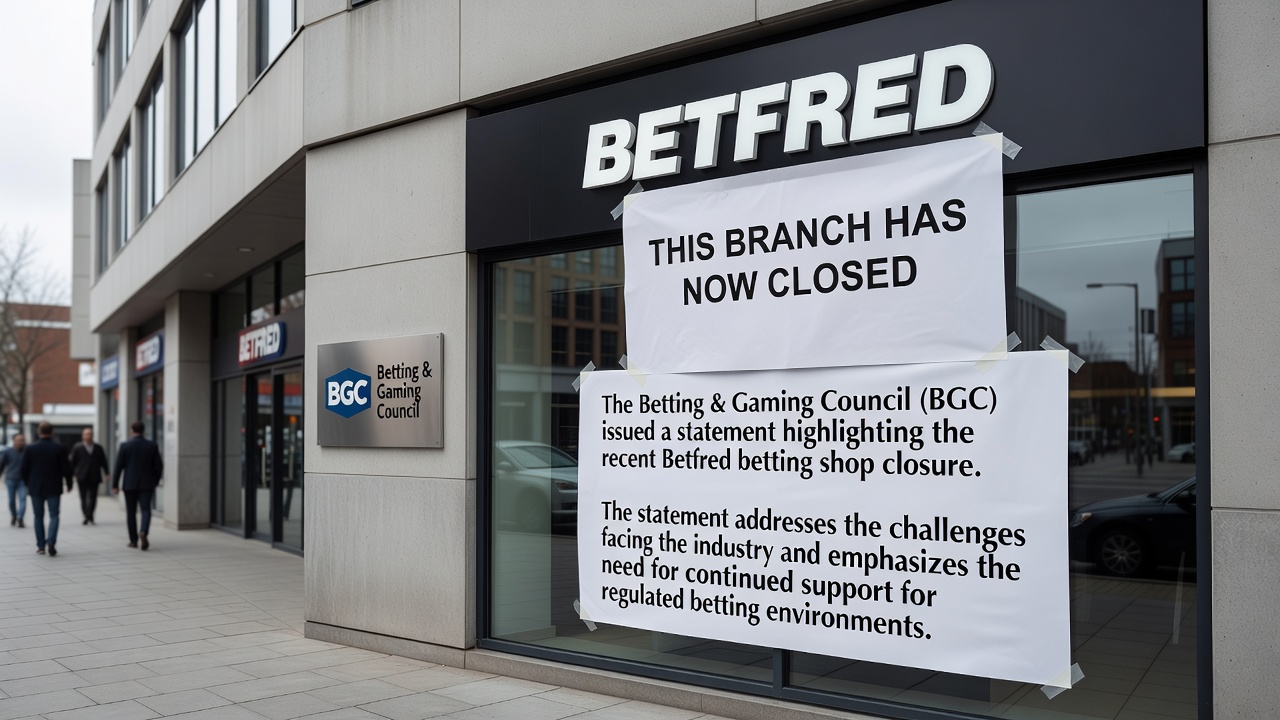
Reduced marketing spend appears across multiple platforms as companies trim advertising budgets to offset the doubled Remote Gaming Duty, and operators have introduced lower-entry offers such as £5 deposit promotions to maintain accessibility without violating the new wagering caps. These adjustments help licensed sites remain competitive yet they also highlight the challenges of operating under stricter fiscal conditions that did not exist before 2026.
Player Demand for Transparency and Market Dynamics
Players increasingly seek clearer terms and simpler bonus structures following the regulatory updates, and surveys indicate growing preference for offers that avoid complex playthrough conditions which previously led to frustration and account closures. Licensed operators respond by highlighting straightforward promotions that align with the 10x cap, yet the black market continues to draw participants who value fewer restrictions even as regulatory bodies emphasise safety standards for licensed operators through the Gambling Commission.
Competition from unlicensed platforms has intensified since the duty increase, with some estimates suggesting the black market has expanded rapidly in recent years and now represents a substantial portion of overall activity according to figures released by the Betting and Gaming Council in their report on Black market betting nears £17bn as illegal gambling triples since 2019 and doubles in two years. Operators in the regulated space therefore focus on differentiating through trust, compliance, and enhanced user experiences that unlicensed sites cannot easily replicate.
Longer-Term Adjustments Expected by Mid-2026
By May 2026 many platforms had already implemented the initial rounds of cost reductions and product simplifications, and analysts tracking the sector note continued evolution in how operators balance regulatory compliance with revenue targets amid ongoing competition. The emphasis on long-term player value encourages development of loyalty programmes and personalised experiences that replace the high-churn models phased out by the January rules, while further refinements to marketing strategies help maintain engagement without exceeding new spending limits.
Industry Adaptation Patterns
Case studies from several major operators reveal consistent patterns of reduced promotional complexity and greater investment in data-driven retention tools, and these approaches allow companies to sustain margins even as duty payments rise. Observers note that platforms experimenting with minimal deposit thresholds like the £5 offers often see steadier engagement from existing users who appreciate the lower barriers without the previous emphasis on bonus hunting cycles.
Conclusion
The regulatory recalibration of 2026 has established a new baseline for the UK online casino market, where capped wagering requirements, banned mixed promotions, and doubled duty collectively push operators toward efficiency and transparency. Licensed entities continue to adapt through targeted offers and streamlined operations while players gain clearer choices, and the ongoing contrast with unlicensed alternatives remains a defining feature of the landscape as the year progresses. These changes reflect a structural shift that prioritises sustainability over volume, shaping how the sector operates in the months ahead.