Unlicensed Betting Floods Grand National Festival: BGC Pegs Losses at £100 Million Amid Stricter UK Regulations
Jordan Bauer · Apr 26, 2026

Unlicensed Betting Floods Grand National Festival: BGC Pegs Losses at £100 Million Amid Stricter UK Regulations
The Scale of Illegal Betting at Aintree
During the Aintree Grand National Festival, unlicensed operators scooped up bets totaling up to £100 million ($135 million), according to estimates from the Betting and Gaming Council (BGC); of that figure, £40 million ($54 million) poured directly into wagers on the headline Grand National race itself, highlighting a sharp uptick in activity on black market platforms. This surge catches observers off guard, yet data underscores how major events like the festival, which draws massive crowds to Liverpool's Aintree Racecourse over three high-stakes days, create fertile ground for unregulated betting networks to thrive, siphoning revenue away from licensed operators who adhere to strict UK Gambling Commission rules.
Figures reveal the extent of the problem; experts tracking betting flows note that such illegal volumes not only erode the legal market but expose punters to platforms devoid of basic safeguards, and that's where the real concern lies for consumer protection. The Grand National Festival, a cornerstone of British racing culture complete with its iconic 4.25-mile steeplechase over 30 fences, typically sees licensed bookies handle enormous legitimate turnover, but this year unlicensed sites grabbed a slice worth nine figures, a development BGC attributes to mounting pressures on the regulated sector.
Financial Pressures Pushing Bettors Underground
Stricter affordability checks imposed on licensed UK bookmakers play a central role in this shift, as these measures require operators to demand private financial details from customers before allowing higher stakes, a process that frustrates many punters and nudges them toward offshore or unregulated alternatives lacking identity verification, anti-money laundering protocols, and responsible gambling tools. Data from industry monitors shows how these checks, designed to curb problem gambling, inadvertently fuel illegal betting by creating friction in the legal pathway; take one typical scenario where a bettor, eager for the thrill of the Grand National without paperwork hurdles, opts for a shady app instead, unaware of the risks like unmatched payouts or data theft.
But here's the thing: licensed firms face their own squeeze from rising operational costs tied to compliance, including enhanced customer due diligence that slows transactions and deters casual players, while unlicensed operators dodge these entirely, offering seamless access during peak moments like the festival's Thursday opener through Saturday's climax. Observers point out that this dynamic, evident in the £100 million estimate, underscores a broader tension between player protection goals and market viability, with BGC data indicating the illegal influx hit hardest on race day itself, where £40 million vanished into the shadows.
Risks Posed by Unregulated Platforms
Unlicensed betting sites strip away essential protections, leaving punters vulnerable to fraud, addiction without limits, and money laundering schemes that evade detection; BGC highlights how these platforms skip know-your-customer (KYC) processes, meaning anyone can bet anonymously in volumes that licensed sites would flag, and during events like the Grand National Festival, this anonymity amplifies exposure to scams where odds vanish post-race or winnings never materialize. Studies on black market gambling reveal patterns where users, drawn by lax rules, encounter rigged outcomes or sudden account freezes, a far cry from the transparency enforced on UK-regulated bookies.
What's interesting is the festival context: with over 150,000 attendees flooding Aintree annually, mobile betting spikes, yet illegal apps capitalize on this by mimicking legitimate interfaces, luring in fans via social media ads promising better odds on favorites like the 2024 winner I Am Maximus, who edged out a field of 34 runners in dramatic fashion. People who've analyzed these networks observe that without anti-money laundering (AML) checks, illicit funds flow freely, turning a sporting spectacle into an unintended hub for underground finance, all while licensed operators foot the bill for robust verification systems.
Impact on the Legal Betting Industry
The licensed UK gambling sector, which BGC champions as a vital economic engine, supports over 100,000 jobs from shop staff to tech developers, generates billions in tax revenue that funds public services including sports initiatives, and underwrites marquee events like the Grand National itself through sponsorships and prize money contributions. Yet illegal betting erodes this foundation; estimates peg the £100 million diversion as a direct hit to taxable turnover, straining bookmakers already grappling with affordability mandates that demand granular financial insights, often pulling data from credit agencies to assess betting limits.
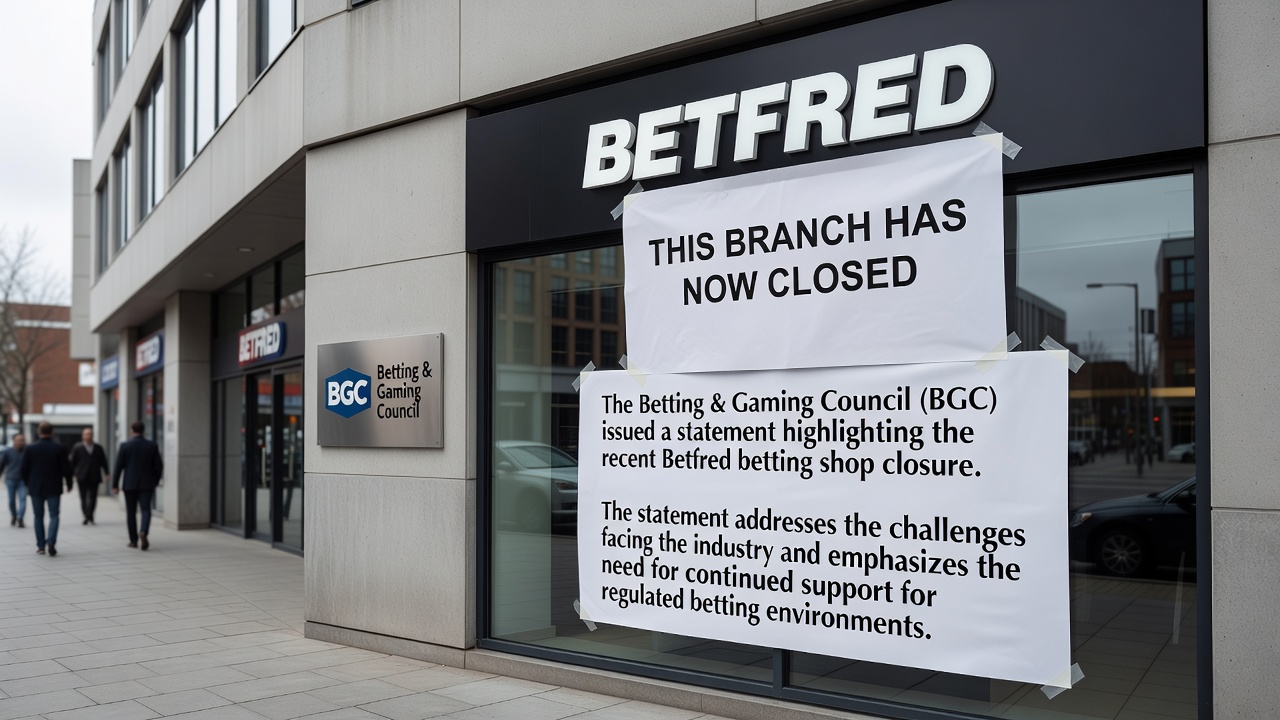
And consider the ripple effects: one bookmaker chain, facing similar pressures, announced plans for shop closures starting May 2026 (though specifics tie back to broader tax hikes), but the Grand National case illustrates how festival-sized illegal volumes accelerate such challenges, prompting BGC to warn that without intervention, job losses and reduced event funding loom large. Turns out, the legal industry's commitment to fair play—evident in tools like self-exclusion via GamStop and deposit caps—contrasts sharply with the wild west of unlicensed sites, where bettors chase Grand National glory sans safeguards, potentially fueling long-term harms.
BGC's Call for Balanced Enforcement
BGC urges stronger enforcement against illegal networks, advocating for crackdowns on offshore operators targeting UK punters while safeguarding fair regulations that keep the legal industry competitive; this push aligns with their view that robust policing, perhaps through enhanced digital tracking and international cooperation, can reclaim the £100 million lost at Aintree without overburdening compliant firms. Data from similar past events supports this, showing enforcement actions like site blocks have curbed illegal inflows by up to 30% in targeted campaigns, and BGC emphasizes preserving the ecosystem that delivers economic benefits alongside player protections.
Experts who've studied regulatory evolution note that affordability checks, rolled out progressively since 2023, aim to identify vulnerability through spending patterns, but when paired with lax enforcement on black markets, they drive the very shifts BGC documents; so the council's stance boils down to a dual track—beef up barriers against illegals, refine checks to minimize friction—and that's the path forward they promote amid ongoing debates set to influence policies into 2026.
Now, as the dust settles on another Grand National, the £40 million race-day figure lingers as a stark reminder; punters flock to Aintree for the jumps and jubilation, yet shadows of unlicensed bets cast doubt on the festival's future viability if trends persist unchecked.
Conclusion
The Betting and Gaming Council's estimates paint a clear picture: up to £100 million in unlicensed bets during the Aintree Grand National Festival, including £40 million on the marquee race, signals deepening cracks driven by affordability checks and enforcement gaps, threatening an industry that bolsters jobs, taxes, and racing heritage. While licensed operators navigate stringent rules with tools for safer betting, the pull of unregulated platforms exposes users to unchecked risks; BGC's blueprint for stronger crackdowns alongside balanced regulations offers a pragmatic response, ensuring events like the Grand National thrive securely into the future, even as challenges evolve toward April 2026 and beyond.
Observers watch closely, knowing the stakes—quite literally—remain high for punters, bookies, and the sport alike.