Weathering the Variables: How Atmospheric Conditions Alter Probabilities in Outdoor Sporting Events and Races
Sage Foster · Jun 7, 2026
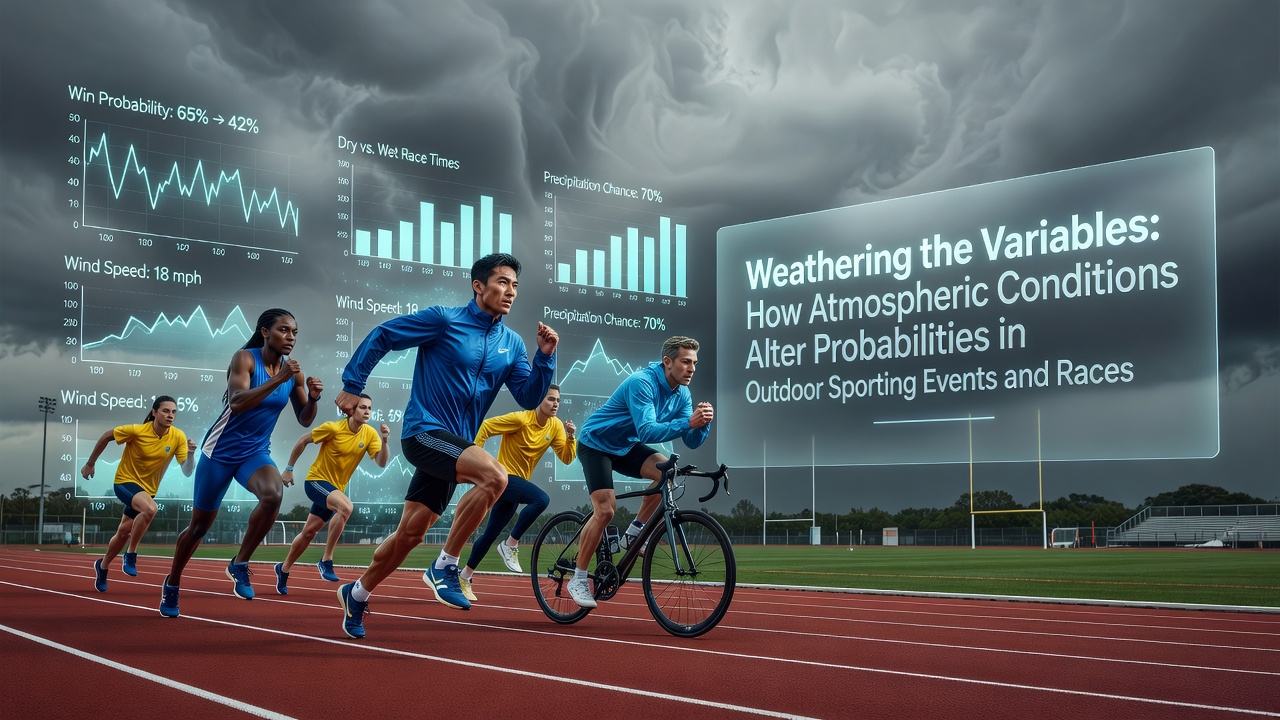
Weathering the Variables: How Atmospheric Conditions Alter Probabilities in Outdoor Sporting Events and Races
Atmospheric conditions shape outcomes in outdoor sporting events and races through measurable effects on player performance, equipment behavior, and surface conditions, with data from multiple studies confirming these influences across disciplines such as football, horse racing, tennis, and athletics. Researchers at institutions in North America and Europe have tracked variables including temperature, humidity, wind speed, precipitation, and air pressure, finding consistent patterns that adjust success rates in predictable ways.
Temperature and Humidity Effects on Endurance and Speed
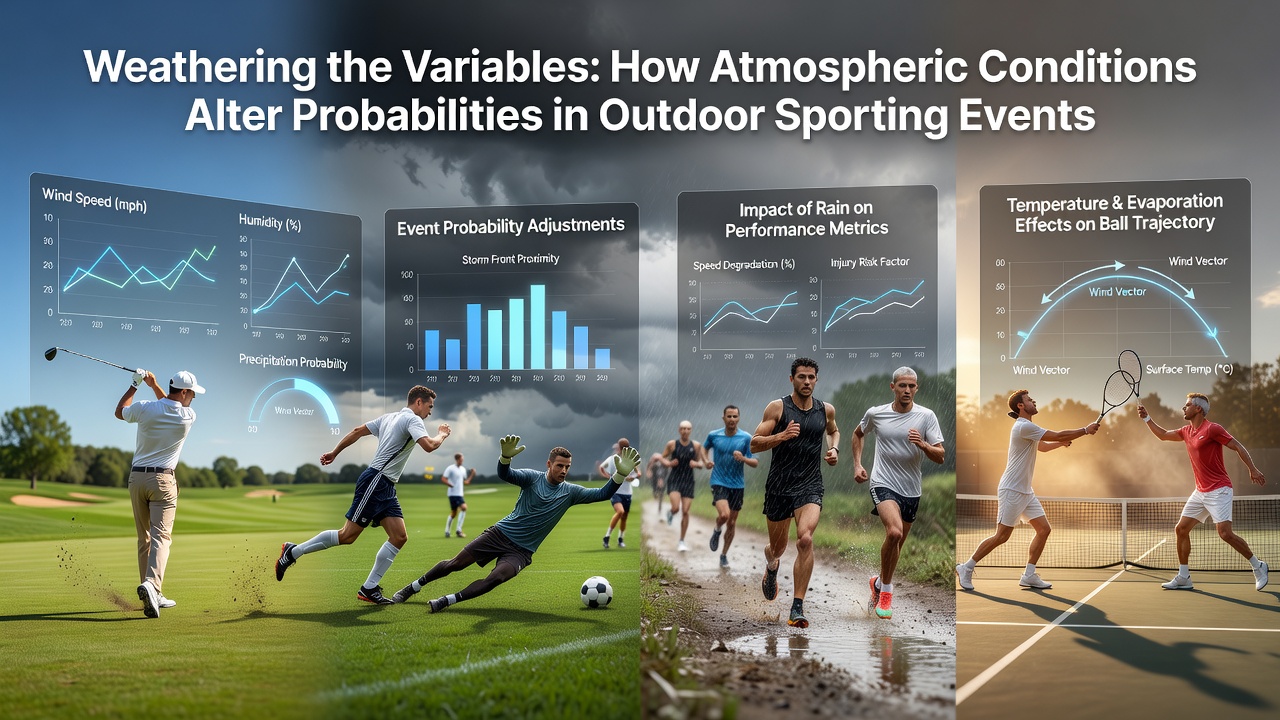
High temperatures combined with elevated humidity reduce athlete endurance by accelerating fatigue and altering hydration needs, as evidenced in marathon data where finish times increase by several minutes when conditions exceed 25 degrees Celsius with humidity above 70 percent. Studies from Canadian research centers show that horse racing times lengthen on hot days because animals expend more energy regulating body temperature, which shifts win probabilities toward competitors with proven heat tolerance. In football matches played during summer tournaments, teams from temperate climates experience higher rates of errors in the second half when humidity rises, according to performance logs compiled through 2025.
Wind Influence on Trajectory and Strategy
Wind speed and direction directly modify ball trajectories in sports like football, golf, and tennis, with gusts above 20 kilometers per hour increasing deviation rates and prompting tactical adjustments such as lower passes or adjusted serving angles. Observers note that in horse racing, crosswinds on exposed tracks can slow times by fractions of a second per furlong, data that racing analysts incorporate when calculating expected margins. June 2026 events scheduled across open European venues will likely encounter variable wind patterns that historical records indicate favor certain running styles over others.
Precipitation and Surface Changes
Rain alters ground conditions rapidly, turning firm surfaces soft and reducing traction, which changes sprint speeds and injury risks in both human and equine athletes. Figures from Australian meteorological records reveal that wet tracks in thoroughbred racing increase the likelihood of come-from-behind wins because leaders tire faster on heavier going. Football pitches saturated by rainfall show elevated pass completion drops of up to 8 percent in monitored leagues, prompting managers to favor direct styles when forecasts indicate showers. Equipment also responds differently under moisture, with tennis balls absorbing water and losing bounce, a factor documented in Grand Slam statistics spanning multiple decades.
Air Pressure and Altitude Considerations
Lower air pressure at higher altitudes thins oxygen availability and reduces ball flight resistance, producing longer kicks and serves in football and tennis while simultaneously challenging respiratory recovery between efforts. Data collected by European sports science groups demonstrates that teams training at sea level face measurable disadvantages when competing above 1,500 meters, with substitution rates rising in the later stages of matches. Horse races held at elevated venues similarly record faster overall times on calm pressure days because reduced drag aids acceleration in the straight.
Integrated Data Applications Across Events
Organizations such as the National Oceanic and Atmospheric Administration compile long-term datasets that sports analysts cross-reference with performance metrics to refine probability models. Academic papers from universities in the United States and Australia have quantified how combined variables, such as wind plus rain, compound effects beyond single-factor predictions. Those who monitor June 2026 schedules note that several major outdoor fixtures coincide with seasonal transition periods when multiple atmospheric elements fluctuate simultaneously, creating layered impacts on expected results.
Conclusion
Atmospheric conditions remain quantifiable variables that consistently modify probabilities in outdoor sporting events and races, supported by extensive records from government agencies and research institutions worldwide. Continued collection of environmental and performance data enables clearer mapping of these relationships across disciplines and venues.